
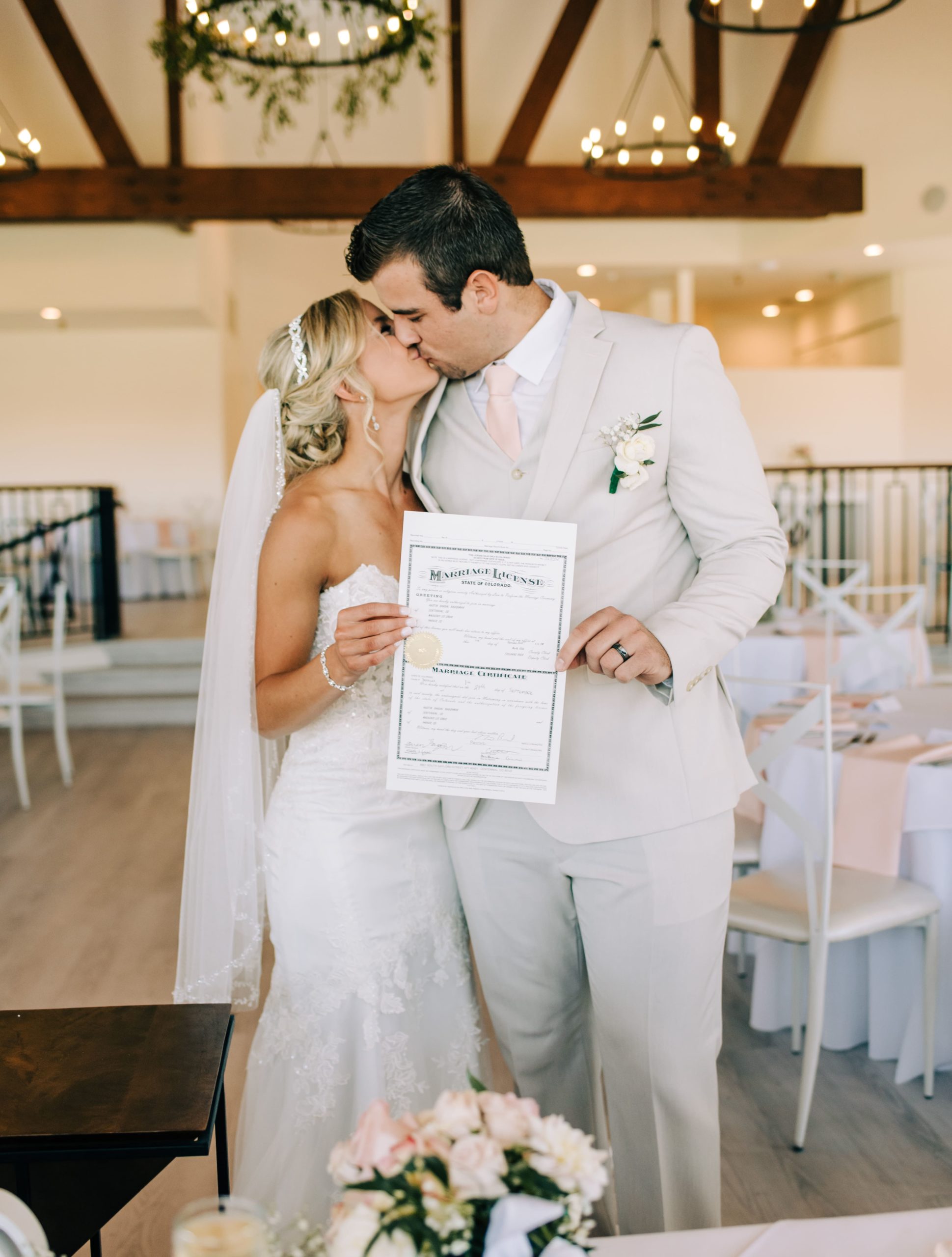
Planning to marry in California? Discover the full legal requirements — from age and ID to who can officiate and how to finalize your marriage license — to ensure your ceremony with Get Married Today is officially valid.
Introduction
Getting married is an exciting step — but when you plan to tie the knot in California, you should also know the legal steps to make it official. If you’re working with Get Married Today or any wedding service, understanding the requirements ensures your marriage is recognized without surprises. In this comprehensive guide, we’ll walk you through the requirements to get legally married in California, from eligibility and documentation to officiants, ceremony rules, timeline, and FAQs.
1. Basic Eligibility Requirements
Age and Legal Capacity
- Both parties must be at least 18 years old to apply for a standard marriage license in California. San Francisco Government+3Santa Clara County Clerk-Recorder+3LAVote+3
- If a person under 18 wishes to marry (rare and with special circumstances), they must obtain a court order granting permission and the written consent of a parent or guardian. American Marriage Ministries+1
- Both parties must have the legal capacity to consent to marriage and not be currently married to another person. CDPH+1
Residency, Citizenship & Other Requirements
- There is no requirement that either party be a resident or citizen of California. You can obtain a license in any California county. San Mateo ACRE+2San Francisco Government+2
- Blood tests and health certificates are not required in California. CDPH+2OC Recorder+2
2. Applying for the Marriage License
Where and When
- You must apply for a marriage license from a California county clerk’s office (also known as County Recorder or County Clerk-Recorder). San Francisco Government+2Santa Clara County Clerk-Recorder+2
- The license is valid for 90 days from the date of issuance. After that, if you have not had the ceremony, the license expires and you’ll need a new one. San Mateo ACRE+1
Identification & Appearance
- Both parties must appear together in person, with valid government-issued photo identification (unexpired). Sdarcc+2Santa Clara County Clerk-Recorder+2
- Acceptable IDs typically include driver’s license, passport, or military ID; some counties may ask for birth certificates or additional information (such as parents’ full names and birthplaces). Cali Officiants+1
Previous Marriages / Domestic Partnerships
- If either party was previously married or in a registered California domestic partnership, you must provide the date your last marriage/partnership ended (by death, dissolution/divorce or nullity). Some counties require a copy of the final judgment if the prior marriage ended less than two years ago. LAVote+1
- You cannot be already married at the time you apply for the license. CDPH
Confidential vs. Standard License
- Some California counties offer a confidential marriage license option, which does not become part of the public record. To qualify a couple must be living together as spouses. Santa Clara County Clerk-Recorder+1
- For a standard (public) license, you’ll need at least one witness at the ceremony; for a confidential license, witnesses are generally not required. Stanislaus County+1
3. The Ceremony & Officiant Requirements
Who Can Officiate
- Under California law (California Family Code § 400 et seq.), a marriage may be solemnized by:
- A priest, minister, rabbi or authorized person of any religious denomination; or
- A judge or retired judge, commissioner of civil marriages, or other authorized civil official. FindLaw Codes
- Each County Clerk is designated as a commissioner of civil marriages and may appoint deputy commissioners. CDPH
Ceremony Requirements
- A specific ceremony script is not required, but the couple must declare (in the physical presence of the officiant and any required witnesses) that they take each other as spouses. American Marriage Ministries
- The officiant must complete and sign the license and return it to the issuing county recorder within 10 days of the ceremony. CDPH+1
- At least one witness (and up to two) must sign the non-confidential license. Ceremonies by Bethel+1
Special Circumstances
- Proxy marriages are not allowed in California except in very limited military overseas cases under specific Power of Attorney rules. CDPH+1
- If either party cannot physically appear at the county clerk (due to hospitalization, incarceration, active duty abroad, etc.), special rules may apply — check with the county clerk. American Marriage Ministries
4. After the Ceremony: Recording & Certified Copies
- After the ceremony, the signed marriage license must be returned by the person who solemnized the marriage to the county recorder in the county where it was issued within 10 days. CDPH
- Once the license is filed and recorded, you may request a certified copy of your marriage certificate from the county recorder. Some counties allow online or mail requests. San Francisco Government
- If you plan a name change, the name chosen at the time of license application is key — after registration the name change cannot be amended except by court order. American Marriage Ministries
5. Planning Your Marriage With Get Married Today
If you’re using Get Married Today’s same-day or mobile services, understanding these requirements helps you prepare efficiently:
- Ensure both partners bring valid photo IDs and know exact details of any prior marriage or domestic partnership.
- Choose your county office and check appointment requirements (some offices require you to schedule ahead; some accept walk-ins). Sdarcc+1
- Consider the 90-day validity of the license: plan your ceremony date within that window.
- Choose whether you want a standard or confidential license (depending on privacy preference).
- Confirm your officiant meets California requirements and will return the license promptly.
- Make sure you or your service provider will obtain the certified copy later for legal name changes, insurance, etc.
6. Common Mistakes to Avoid
- Applying for a license and then delaying the ceremony past the 90-day expiration.
- Assuming residency or citizenship is required (it’s not).
- Forgetting to bring valid ID or using expired ID.
- Overlooking guardian’s or court consent if one party is under 18.
- Skip verifying your officiant is legally authorized.
- Not returning the signed license within the required time, which may delay your legal record.
- Assuming you’ll receive automatic certified copy — you’ll usually need to request it.
- Changing names on the license after registration without court action.
7. Why These Requirements Exist
California’s marriage law structure ensures legally binding marriages, proper recording, and rights for both partners. Key reasons:
- To verify identity and prevent fraud (photo ID, both parties present).
- To ensure consent and capacity (age, prior marriage status).
- To provide a public record (or confidential record) for legal rights, tax, inheritance, and name change.
- To ensure the ceremony is performed by a recognized officiant and the license is properly returned for state indexing.
- To allow out-of-state, non-residents, and same-sex couples equal access — ensuring marriage is a fundamental right. American Marriage Ministries
8. Trends & Notes for 2025
- Many California counties now allow online pre-application for marriage licenses, making the process smoother. OC Recorder
- The right to marry is firmly established under California law as a fundamental right, helping protect all couples equally. American Marriage Ministries
- If you plan an out-of-state or out-of-country component (for example destination weddings or international guests), it’s still valid as long as you obtain the California license and meet the ceremony requirements in California.
9. Summary Checklist for Couples
Here’s a quick checklist for your same-day wedding with Get Married Today:
- Both partners are 18+ (or court-approved if underage)
- Both partners are unmarried and legally capable
- Both partners have valid government-issued photo ID
- Know date of any prior marriage or domestic partnership and have required document
- Choose standard or confidential license
- Apply at a California county clerk office (in person together)
- Ceremony planned within 90 days of license issuance
- Officiant meets California lawful officiant criteria
- Witness (if required) is arranged
- Signed license returned to county recorder within 10 days
- Request certified marriage certificate after registration
- Decide now if you’ll change names (if so, indicate on license)
10. Frequently Asked Questions (30 FAQs)
- What age do you have to be to get married in California?
You must be at least 18 years old for a standard marriage license. Special court-approved cases apply under 18. American Marriage Ministries - Do I have to be a California resident or a U.S. citizen?
No — California does not require residency or citizenship for marriage. San Mateo ACRE+1 - Can I get married in California if I live in another state?
Yes, you can apply for the marriage license in California and hold your ceremony in California. - Do we need to have blood tests or health certificates?
No — California does not require blood tests for marriage. CDPH+1 - How long is a California marriage license valid?
90 days from the date of issuance. San Mateo ACRE - What if we don’t get married in those 90 days?
The license expires, and you’ll have to obtain a new one. - Do both partners have to appear together at the clerk’s office?
Yes — in most cases both must appear in person with valid photo ID. Sdarcc - What kinds of ID are acceptable?
Government-issued photo ID such as driver’s license, passport, or military ID with photo, date of birth and expiration. CDPH - What if someone was previously married or in a domestic partnership?
You must provide the date the prior marriage or partnership ended; some counties require proof if recent. LAVote - What is a confidential marriage license?
A license that is not part of the public record, available if you already live together as spouses in California. Santa Clara County Clerk-Recorder - How many witnesses are required?
For a standard (public) license: at least one witness (there is space for up to two). For confidential: generally no witness. Stanislaus County - Who can perform the marriage ceremony?
A priest, minister, rabbi, authorized religious person, judge/retired judge, or commissioner of civil marriages under Family Code § 400. FindLaw Codes+1 - Can a friend or family member officiate?
Only if they meet the legal authorization criteria under California law (for example ordination recognized) or are deputized. Offbeat Wed (was Offbeat Bride) - Does the ceremony have to be in a specific location?
No specific form is required, but the couple, officiant and witnesses must be physically present together in the same location. CDPH - What if one partner is overseas in the military?
There are special rules (power of attorney) under Family Code § 420(b) allowing limited proxy marriages for military parties stationed overseas. CDPH - Do we need to change our names when we marry?
No, name change is optional. If you choose to change your name, you indicate it on the license. After registration you can’t change it via the license. American Marriage Ministries - What if I want an international wedding or destination ceremony?
As long as you obtain the California license, and meet ceremony rules in California, it’s valid. If you marry outside California without the license process, California may not recognize it under the same terms. - How soon after the ceremony must the license be returned?
The person who solemnizes the marriage must return the license to the county recorder within 10 days. CDPH - How can we get a certified copy of the marriage certificate?
You request it from the county recorder of the county that issued the license once the marriage is registered. San Francisco Government - What happens if the license becomes lost or destroyed?
A duplicate certificate may be issued under certain circumstances — you’ll need to file an affidavit with the county clerk. CDPH - Can we apply online or in advance for the license?
Many counties allow you to complete an online application or book an appointment. OC Recorder+1 - Is there a waiting period before the ceremony?
No ongoing waiting period is mandated in California once the license is issued; you can marry soon after issuance. - Can we marry the same day we obtain the license?
Yes — provided your ceremony is planned and you meet the officiant and witness requirements. - If we apply in one county, can we have the ceremony in another county?
Yes — once you have a California license, the ceremony may occur anywhere in the state. San Francisco Government - Does California recognize same-sex marriages?
Yes — same-sex marriage is legal and fully recognized in California. Wikipedia - What happens if one partner is under the influence or unable to consent?
If someone lacks capacity or is under the influence at application time, a license cannot be issued (Family Code § 354). American Marriage Ministries - Can we have a simple backyard ceremony and still be legally married?
Yes — as long as the officiant is legally authorized, the license is used, and all other requirements are met. - Does the ceremony style (religious, secular, non-traditional) matter legally?
No — California does not mandate a particular religious or secular form so long as the legal declaration, officiant and license procedural requirements are met. American Marriage Ministries - What if we want to change our plan for the ceremony date after obtaining the license?
You can change the ceremony date as long as it occurs before the license expiration (90 days) and the document is properly handled. - If we don’t get married within the 90-day license window, can we extend it?
No — you must apply for a new license if the 90-day window is missed.
11. Why Choose Get Married Today for Your California-Legal Wedding
- Offering knowledge and logistics to meet California’s legal requirements swiftly and smoothly.
- Same-day or mobile services that help you secure the license, officiant, ceremony scheduling, and follow-up certified copy.
- Ensuring all legal boxes are checked so your wedding is not only memorable but fully recognized by the state.
12. Final Thoughts
Marriage is a deeply personal and meaningful commitment — and when you choose to get legally married in California, you deserve a smooth, stress-free process. Whether you’re planning a grand celebration or an intimate elopement with Get Married Today, knowing the requirements above helps you focus on your love and celebration rather than paperwork.
Let your wedding day be about joy, connection, and new beginnings — we’ll take care of making it official.